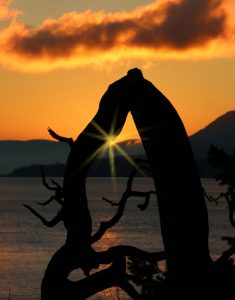
During this covid isolation I’m enjoying spending time in nature. Bays, coves and headlands, that fascinating transition between land and the sea, fascinate me. On Pender and the other southern Gulf Islands, the shores are seldom covered in glistening white sand. Instead, rocky outcrops abound, rows of bleached logs mark the high-tide line and many lifeforms skitter here and there. It’s wonderful.
I have to tread carefully for the shoreline usually is composed of rock, sometimes conglomerations of rounded stones,  sometimes like rows of cogs in a factory assembly line, other times grey sandstone with beautiful whorls and patterns created by erosion.
These sedimentary rocks were laid down about 70 million years ago in a basin. The collision of the Pacific and North American tectonic plates, which is still ongoing, subsequently folded, faulted and contorted the sedimentary layers into the island archipelago we see today.
The seashore is blessed with a cornucopia of life. The broad-leaved stonecrop with its yellow flower perches precariously on rocky cliffs. The brilliant orange of California poppies brightens many locales. I enjoy sitting beside them with a grand vista before me. Down below, the shallow water embraces many seaweeds, but I’m  attracted to sea lettuce, which is delicious in salads. The mighty bull kelp is often washed up, looking like a long python coiled among the rocks.
The intertidal zone is alive with movement. Herons poise in inches deep water patiently waiting. Gulls screech overhead. Every lifted rock reveals skittering crabs. And in secret places I dig for clams and harvest oysters.
Many coves provide glimpses into the activity of humans in past times. White beaches and layers of broken clam shells (middens) show that Coast Salish First Nations have lived in this area for millennia.
A factory at Bricky Bay on Pender Island manufactured bricks from 1910 to 1920. Many still r emain, transforming the beach into a red colour.
Another favourite spot is Georgina Point on Mayne Island with its lighthouse guarding the eastern entrance to Active Pass. The grey sandstone along the water’s edge is like an art gallery with fascinating whorls and pits like alien eyes and faces.
Driftwood logs fascinate me. I can sit for hours on one of the sun-warmed logs that form a wooden necklaces for coves, admiring the view and feeling content  to be part of the glorious complexity of nature.
 When skunk cabbages rise in roadside ditches still wet from winter rains, my pulse quickens. The bright yellow flowers appear almost overnight and are like bursts of sunshine signalling that a re-awakening is near. Shortly after, spring sneaks around the corner.
 rts as a low almost moss-like plant, but then a yellow flower bursts forth and it grows much higher, towering over the leaves below.
 In late spring, the foxglove grows up to 2-metres high with the purple and sometimes white flowers lining up like small bells. I love to watch bees humming from flower to flower, often burrowing right of sight.
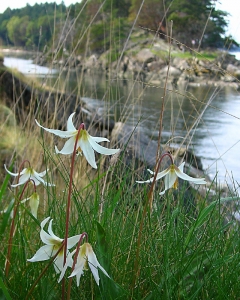 Who cannot admire a rose, the very symbol of love? The Nootka (aka wild) rose sports pink flowers and can reach as high as 3 metres, favouring open habitats such as meadows, roadsides and shorelines.
 weeding and no pesticides. Best of all, they attract birds, bees and butterflies, providing colour and movement that soothe the soul.
 Saturna Island, for example, has recently built a large recreation centre with a gymnasium, kitchen, medical clinic and a large firehall/emergency-services building. The Old Hall, built in 1933, however, continues to be popular, particularly for cultural presentations, which benefit from the building’s excellent acoustics, its cozier size and its unique historical ambiance. Currently, renovation work is underway to significantly improve the old building.

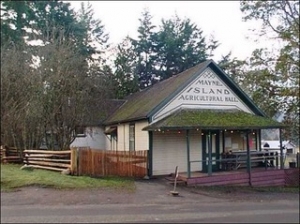
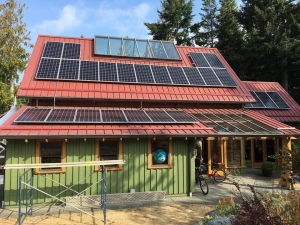 Galiano Club, and is a hub of the community with many local events such as concerts, dances, weddings, plays, exhibitions, lectures, etc. held there. The quaint North Hall, a renovated 1930s school house with a new commercial kitchen, is a hub of north Galiano community events including the Canada Day Jamboree, the Robbie Burn’s Supper, the Great Chilli Cook-off, weddings, receptions, workshops, weekly Scottish Country dancing and a monthly Luncheon Games. It is also the reception centre for the Emergency Preparedness program, and is the home of the Galiano Garden Club and it’s library. The hall at the north end is also a social hub and features soup-and-bread Mondays.
 With their many social events, community halls are invaluable in uniting our island communities. They are also a bridge into the past.

 d usually within 100 metres of the sea. Over four months I watched as the eagle mom incubated two eggs and then lovingly nurtured the single chick (the other egg never hatched).


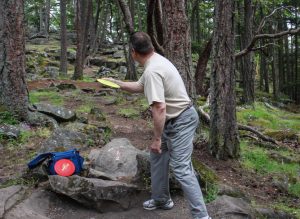
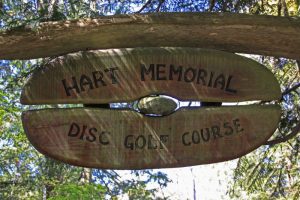
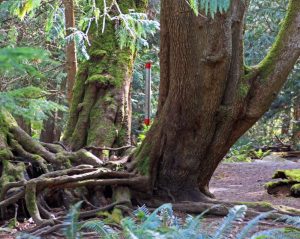
 Although they are near major centres of population, these isles are largely undiscovered. The Gulf Islands bask in the balmiest weather in the nation, and are populated by odd characters ranging from artists to aging hippies. The islands overflow with good eats thanks to abundant organic produce and seafood, not to mention four wineries and a brewery. Furthermore, seals, killer whales, eagles, deer, pileated woodpeckers and more live here in harmony.